
ROLE
User Researcher
TEAM
Amanda Johnson, Benjamin Seitz, Jane Huang, Sophie Chen
SCOPE
Spring 2022
RESPONBILITIES
UX Research
TOOLS
Figma, Mural, Miro
My Responsibilities
Defining the Research Methodology
I defined the research methodology to ensure an inclusive, deep understanding of potential users. Given that the user base was highly specialized, this was critical to effectively pinpointing areas of improvement.
UX Design
I initiated the creation of lofi prototypes to provide stakeholders with a visualization of my team's final recommendations.
Exoplanet Watch is a citizen science project that enables astronomers of all experience to track and record their own observations of transiting exoplanets.
The Challenge
As NASA's JPL plans to expand the Exoplanet Watch project to include the general public, new institutional needs have come to the fore which need to be engaged in the user experience side. These needs have to do with providing a web experience that is engaging and effective for the new target audience, as it pertains to the data products and the website as a platform that presents information about the project.
Deliverables and Goals
- Provide recommendations for redesign and reorganization of user interface on the newly deployed Exoplanet Watch website as they pertain to the new target audience
- Make navigation of the website intuitive, understandable, and accessible for the new target audience
- Change verbiage that is currently designed to communicate ideas to experts, and tailor it to the needs of the general public
- Make it as easy as possible to contribute to the project and receive feedback about the contribution
- Make data accessible and approachable to a spectrum of user types
- Understand the needs and experiences of users across relevant facets–e.g., data contributing vs non-data contributing; amateur vs expert
Defining the Scope
"How is it working now?"
To guide the initial steps in developing the research methodogoly, we first created some questions to aide in understanding the current state of the Exoplanet Watch website.
- What do people use the website for?
- Where do they get stuck?
- Where do they go when they get stuck?
- Would they recommend the website to other people?
- What is missing from the website, and do users wish it supported them differently?
Future State
We also created some questions to help us forsee new needs that may arise as the audience changes to include the general public.
- How different should the website be in order to cater to a much wider range of skill sets and experiences with matters relating to astronomy?
- How can we make novices feel welcome, without alienating existing users, as well as new proficient users?
- How can we provide the right information at the right time?
Meet with JPL team

Research + Analysis
Leverage insights to find solutions
Final Report
Research
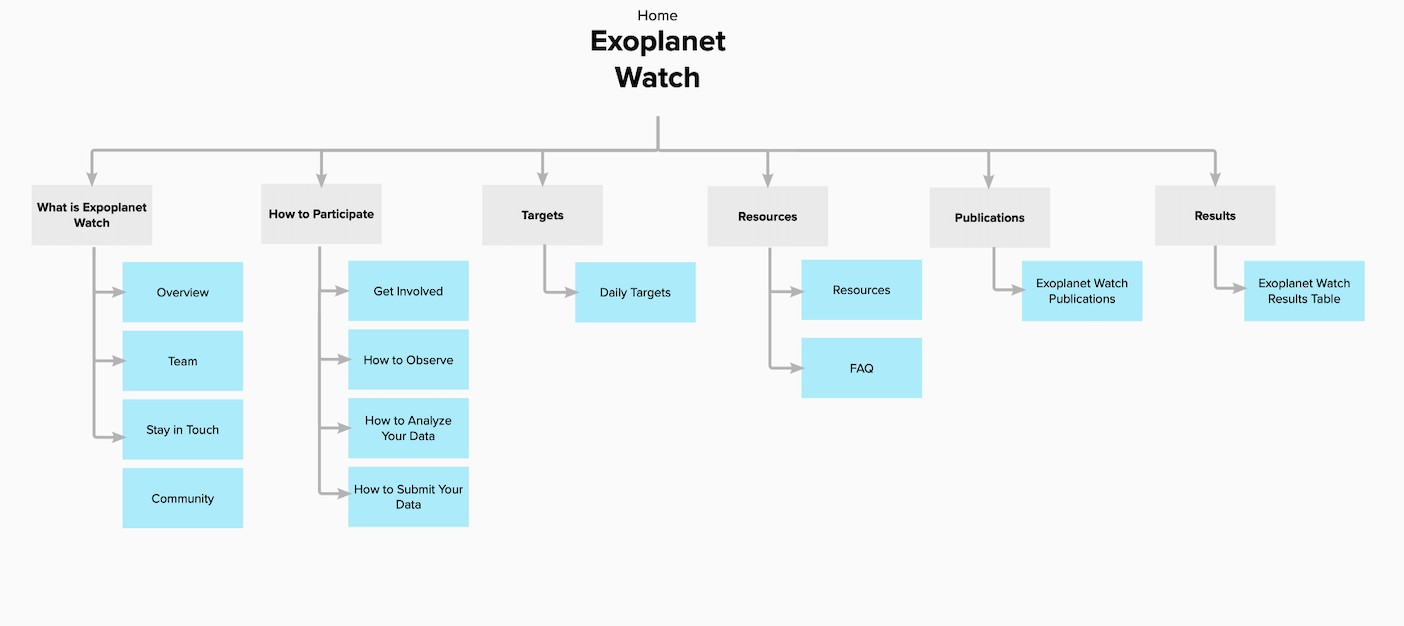
The initial analysis included creating a site map of the current state of the Exoplanet Watch website and conducting the first round of stakeholder interviews. These initial interviews were done via online survey and were used to gauge user painpoints and goals.
After conducting the online questionnaire, in-depth interviews, and usability tests with the current state, we were able to conduct data analysis. This was done through card sorting, content analysis, and descriptive statistics.
This helped the team understand what was working well in order to illuminate opportunities for improvement, as shown below.
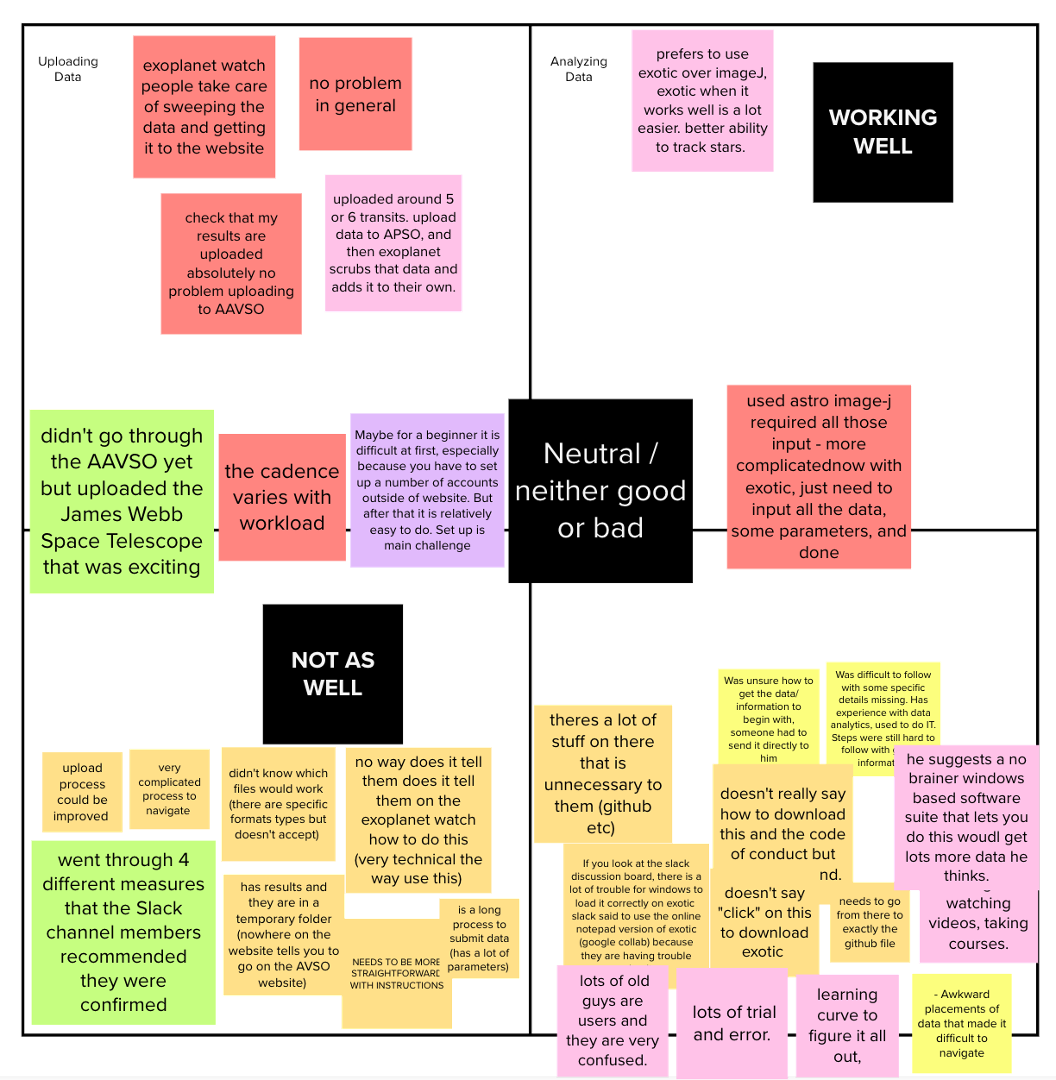
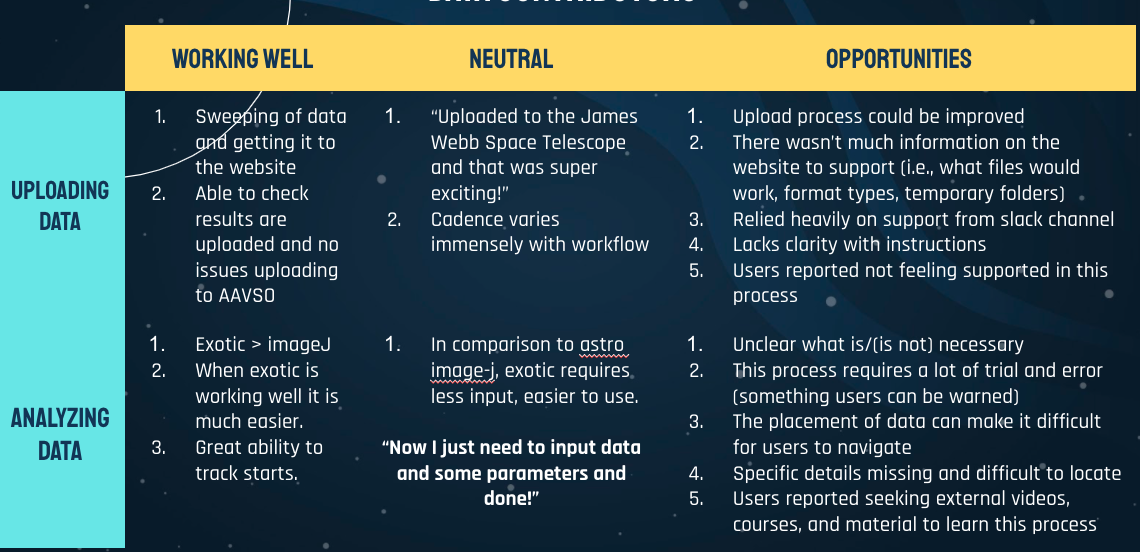
"Maybe for a beginner it is difficult at first, especially because you have to set up a number of accounts outside of website. But after that it is relatively easy to do. Set up is main challenge.”
Usability Summary
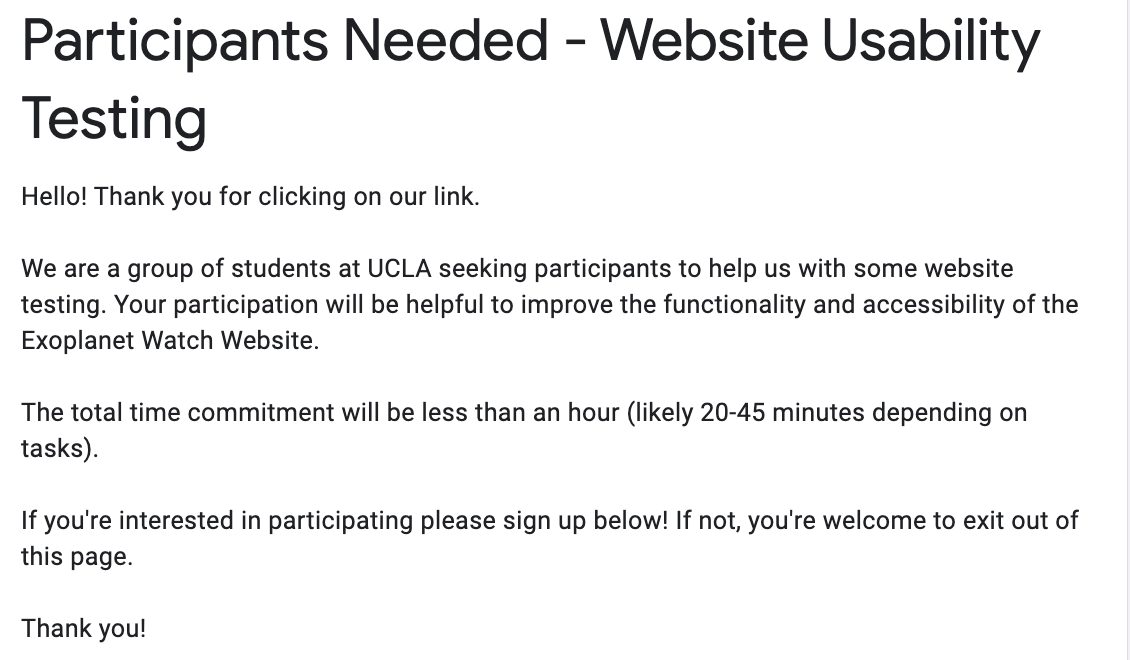
The initial research provided context for our user's experience of the site. Usability testing helped the team pinpoint exact times within the interaction design where frustrations arose.
These nine hour-long usability sessions were critical to understanding the user journey and provided important dialogue to help me better understand the research insights from previous rounds of user testing.
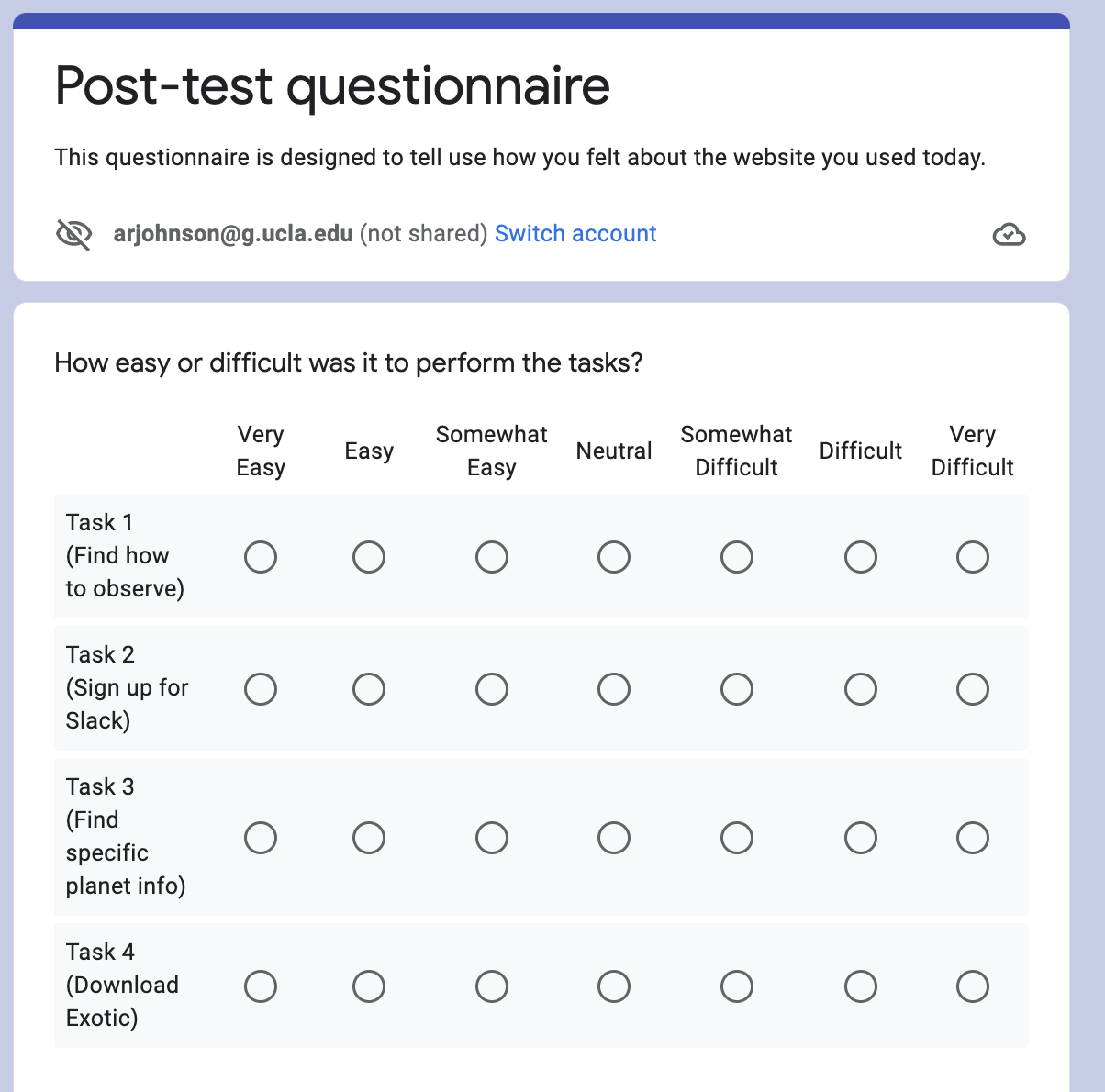
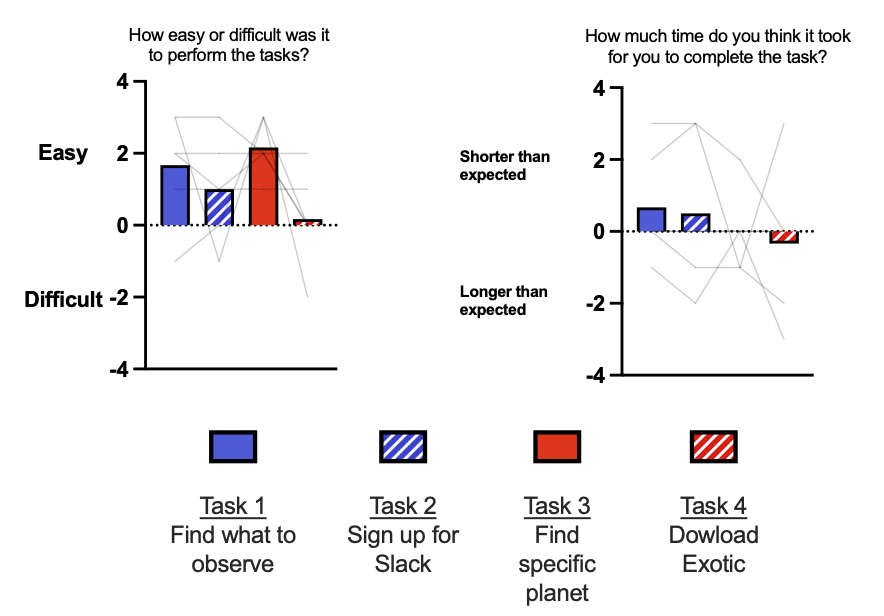
The four tasks that users were asked to walk through were locating the "What to Observe" page, the Slack channel button, the Orbital Period page, and Exotic tool. These were defined as the most important functions of the website. Overall, there was a 61.5% average task completion. Below are the findings.
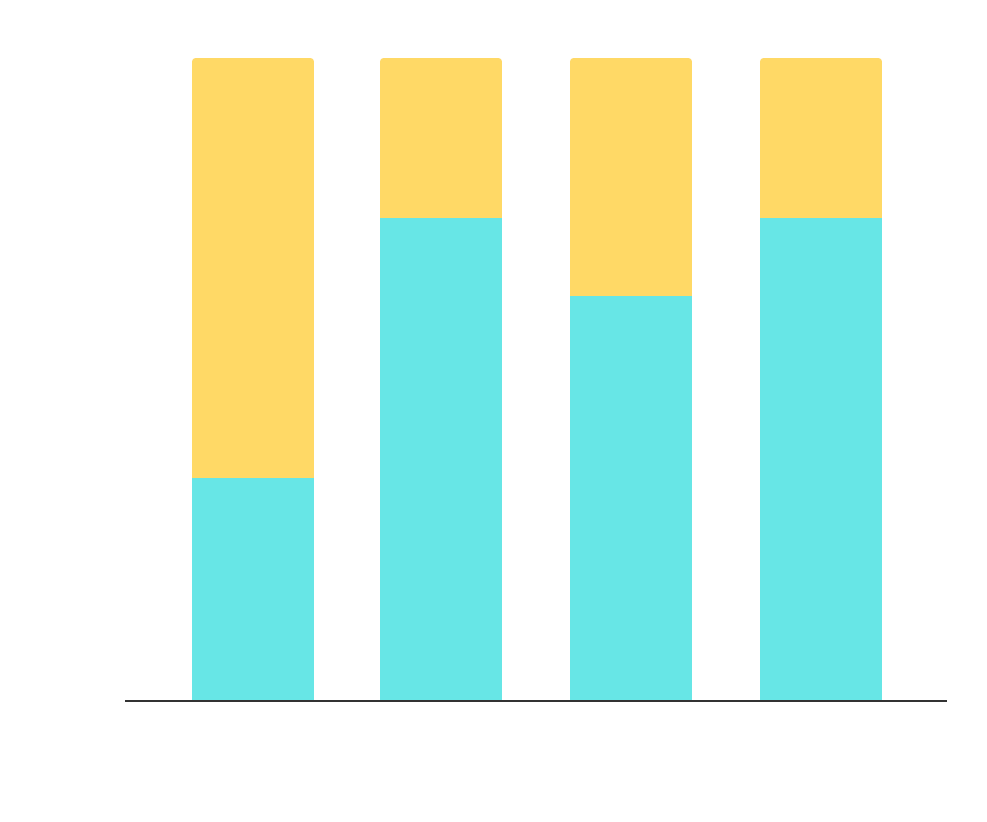
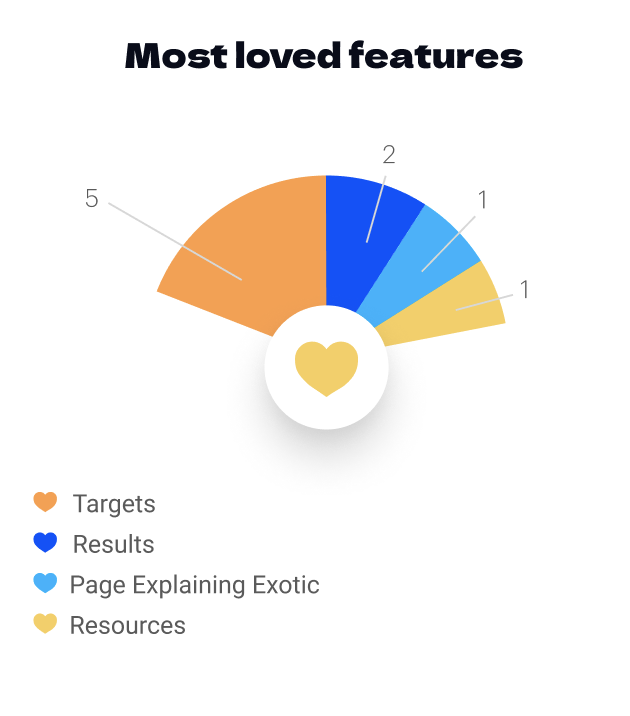
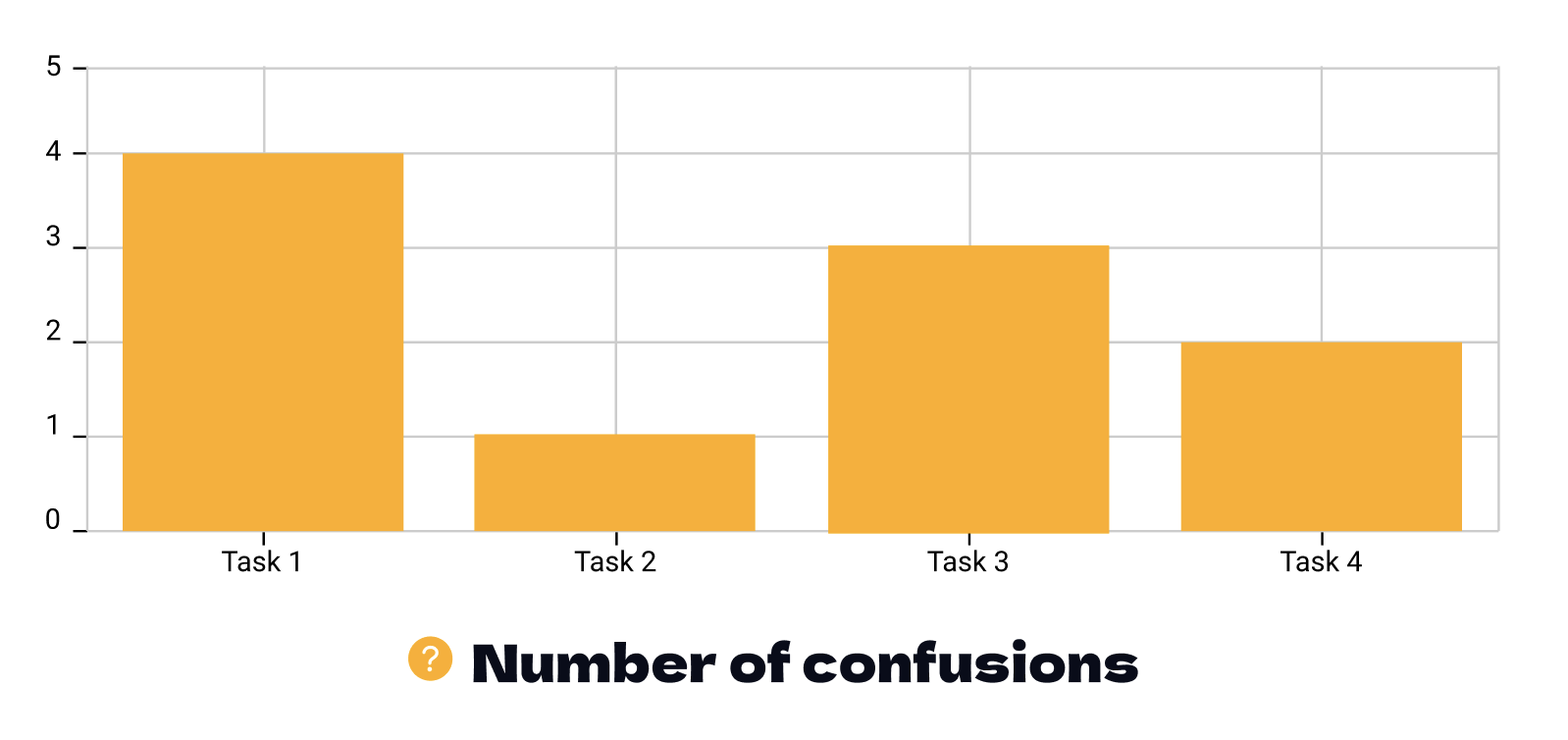
Understanding User Perceptions
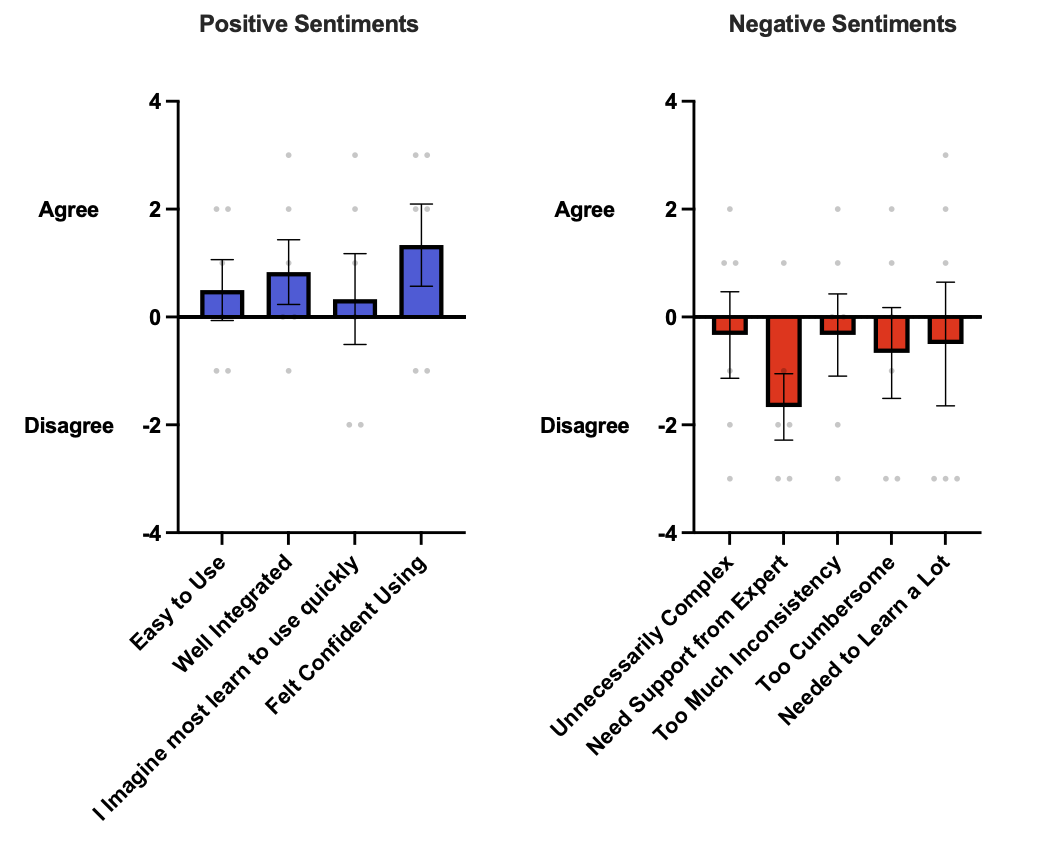
Conducting data analysis helped us to understand user's attitudes and difficulty with completing the tasks. The user perceptions did not necessarily match up with the observational data. For example, there was clearly confusion with finding the specific planet but most users believed that it was easy. It is worth noting that this could be due to a possible sampling error.
Attitudinal research helps put these findings into context. This provided some optimism as a researcher because though there were certainly things to be improved, in general there are positive sentiments about the site.
Recommendations
The team articulated key recommendations for the Exoplanet Watch website based on our extensive research.
- Make clear that the Slack community exists, and how to join it
- Set external websites to open in new tab, and warn them beforehand that this will happen. This will make it easier to go back to Exoplanet Watch website
- Provide more guides. Videos or step-by-step guides to support new users onboarding experience
- Reduce taking users to external pages and have more resources directly on the page
- Design more visually stimulative content and call-to-action buttons (perhaps on a menu)
- Provide glossary of terms.
Visualization
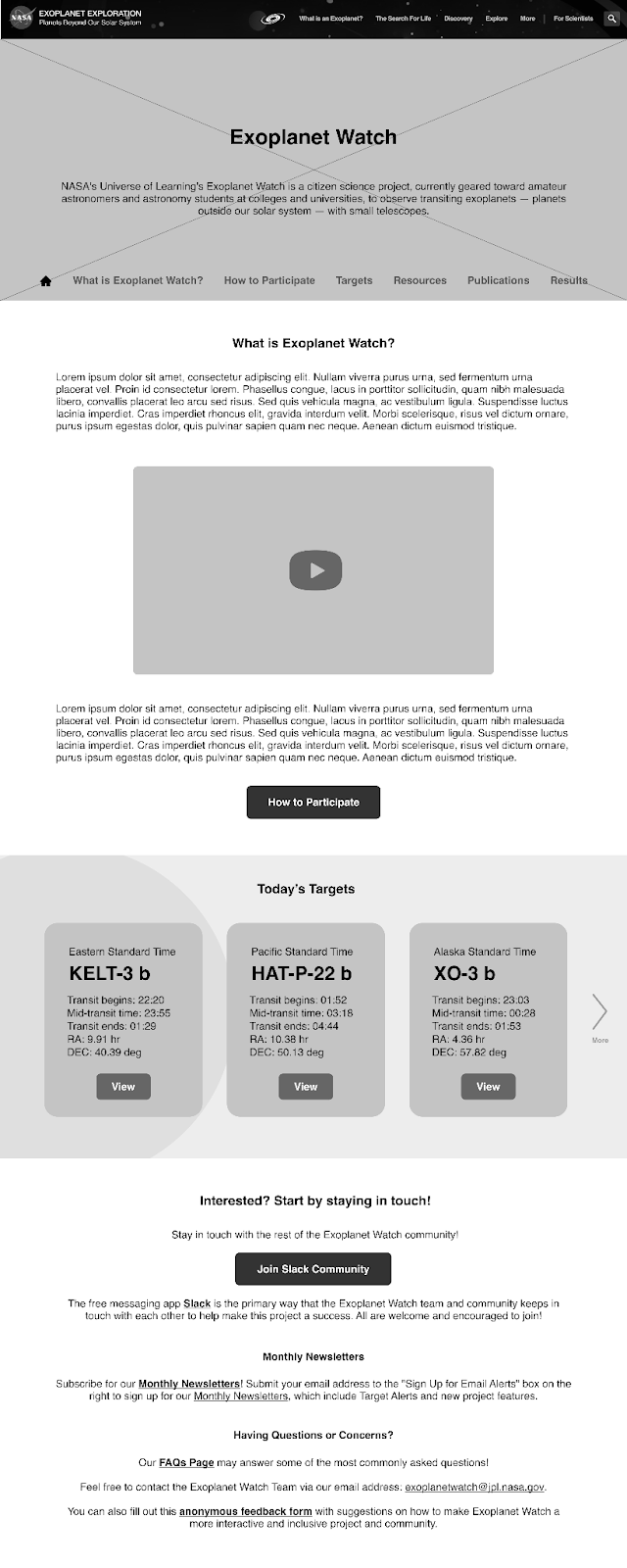
I created some low fidelity prototypes to share with stake holders to help visualize insights we gained from research.
Though not comprehensive, this visualization was helpful to understand how the findings could be translated into real solutions.
Updated Site Map
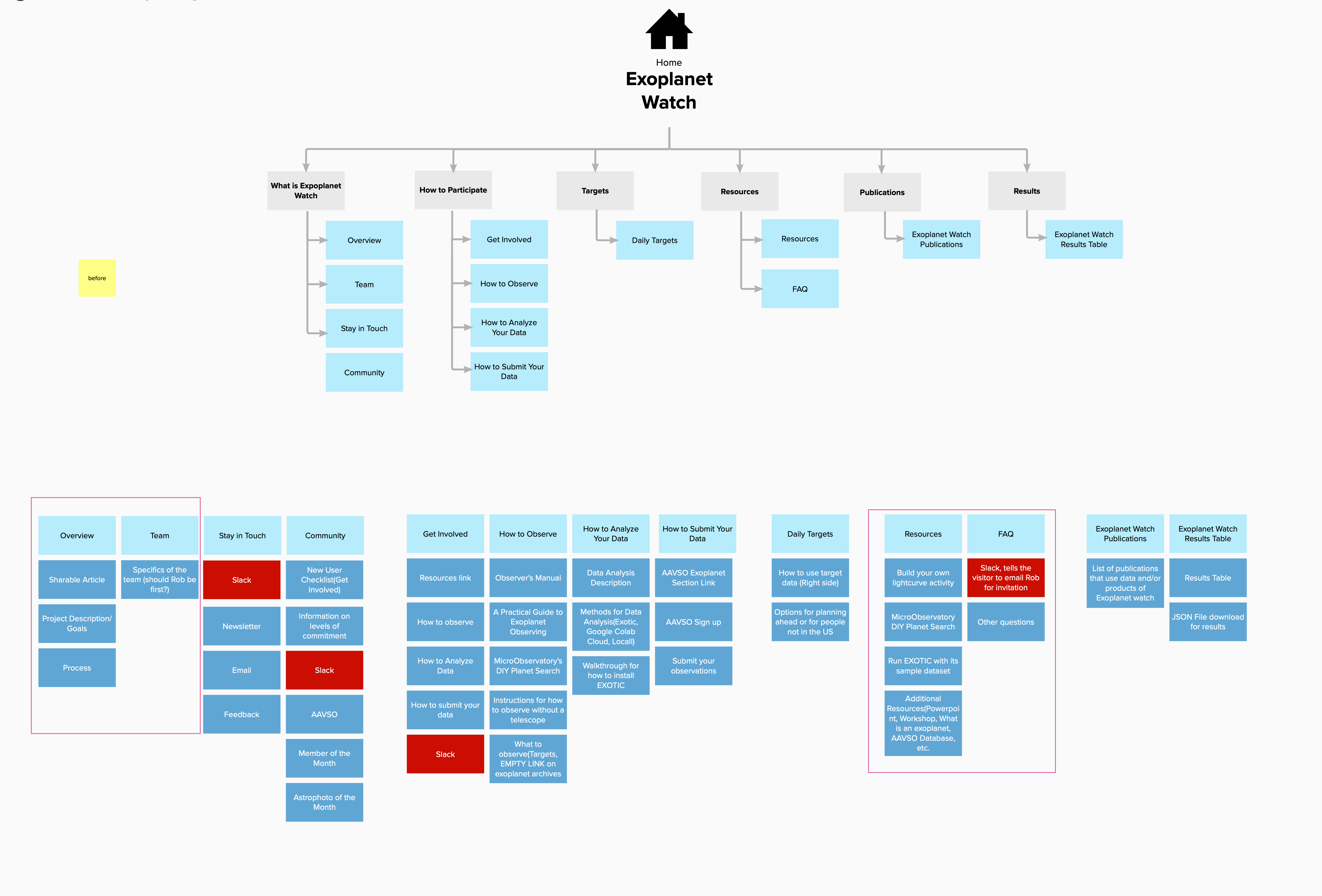
I created an updated site map that addressed our recommendations and provided the foundation for building out the new and improved Exoplanet Watch website.
In conclusion
This project provided a great learning experience for me and helped me understand the importance of research. There were multiple times where new information prompted the team to re-scope. For instance, we were surprised to learn that users used the website for purposes beyond what the client had assumed.
There was also an unanticipated amount of engagement with users. Without compensation, many users were willing to talk to the team for 45 minutes to over an hour about their sentiments and ideas for the Exoplanet Watch website. Having such an engaged user base was surprising and incredibly valuable.
Overall, this project taught me the importance of delineating clear goals and objectives at the start of a project. It was helpful to refer back to these goals throughout the research process, especially as the scope was modified. This project also required a delicate balance between user goals and business needs. I couldn't assume that the needs of the stakeholders and the needs of the users aligned. This also meant allowing for continuous growth in product and client’s scope. Extensive data analsis and building a strong relationship with the client helped us make both sides happy, which meant that overall the project was a success.
Thank you for reading!
Selected Works

NASA Exoplanet WatchUX Researcher
The Good FridgeGuiding users to make ethical decisions in their grocery purchases
PeerUpPeer-to-peer mental health support at campuses nationwide
BQuestMatching students with ambassadors to learn more about your major

UCLA Graduate DivisionDesigning resources for UCLA's postdocs

Finding FoundersA podcast about vulnerability and entrepreneurship